The best apps for goal setting help people plan, track, and finish goals. This guide lists proven app types and practical approaches for clearer goals. It compares features, ease of use, and cost and shows what to test when you try an app. The aim is to help readers pick one app that fits their goals and to provide concrete setup and tracking tips they can follow today. Wherever possible this article emphasizes simple, repeatable habits and examples so readers can start using the best apps for goal setting immediately.
Key Takeaways
- The best apps for goal setting offer clear templates, deadline setting, task breakdowns, and reminders to help users plan and track progress effectively.
- Choosing a goal-setting app depends on your specific goal type, whether personal, habit, career, fitness, or multiple types, each with tailored features.
- Effective use of goal-setting apps includes setting one clear goal, breaking it into manageable tasks, choosing consistent tracking rhythms, and using reminders wisely.
- Accountability features like shared goals and weekly check-ins enhance commitment and help maintain progress in goal-setting apps.
- Regularly reviewing progress and adjusting tasks based on data trends and setbacks ensures continued motivation and goal achievement.
- Leveraging app integrations with calendars, trackers, and wearables automates small steps and keeps users engaged without overwhelming them.
How To Choose A Goal-Setting App: Features That Matter Most
Users should pick an app that matches their goal type. The best apps for goal setting offer clear goal templates and a simple interface. They let users set deadlines, break goals into tasks, and add reminders.
Beyond those basics, consider how an app surfaces progress every day. Does it show a dashboard with upcoming tasks? Can you pin a single priority for the day? An app that makes your one most important next step obvious will reduce decision fatigue and keep momentum.
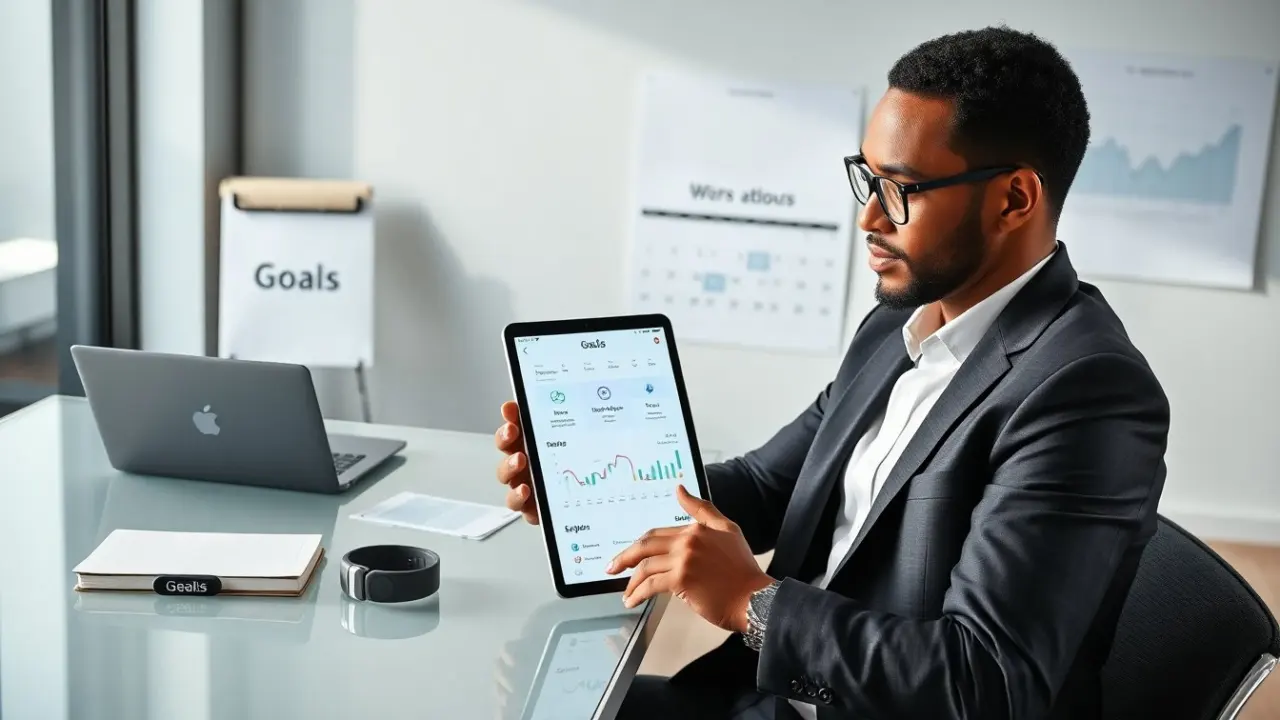
Tracking flexibility matters. The best apps for goal setting show progress with charts, streaks, or simple checkboxes, and they support manual and automated entries. If you prefer visual progress, look for apps with customizable charts; if you want quick logging, choose apps with one-tap completion or widgets.
History, export, and data portability are often overlooked but essential. The best apps for goal setting store history so users can review past progress and learn which months or habits produced results. They export data so users can archive or analyze progress outside the app if needed.
Accountability tools can change outcomes. The best apps for goal setting include shared goals, coach integrations, or habit streaks. Look for options to invite teammates or friends, schedule reminders to partners, or create public check-ins. If you want external pressure, pick an app that makes sharing simple; if you prefer private tracking, check that the app supports private goals and granular privacy controls.
Customization and friction affect long-term use. The best apps for goal setting let users choose notification frequency, define repeat rules, skip or reschedule tasks easily, and adjust milestones without redoing the whole plan. Avoid apps with long setup flows; favor apps where the friction is front-loaded and daily use is fast.
Privacy and cost are practical filters. The best apps for goal setting explain data use clearly, provide reasonable free tiers for testing, and present premium features so you can decide what’s worth paying for. If you handle sensitive information, check encryption and export options before committing.
Finally, validate with short tests. The best apps for goal setting earn consistent praise for reliability and simplicity in reviews; still, a five- to seven-day trial of core features will reveal whether the app fits your workflow and attention span.
Top Picks For Different Goal Types (Personal, Habits, Career, Fitness)
Personal goals: apps that handle big-picture planning work best. The best apps for goal setting for personal goals include tools with goal templates, vision boards, and monthly planning views. These apps help users map one-year goals and link them to weekly tasks, making it easier to translate a broad desire (like “write a book”) into concrete monthly and weekly commitments.
When evaluating personal-goal apps, look for features like nested projects (goal > milestone > task), a timeline or calendar view you can use for planning, and a place to record motivations and success criteria—so you can answer later why a goal mattered to you.
Habits: habit apps force small daily actions. The best apps for goal setting for habits use streaks, chains, and micro-tasks. They remind users with subtle nudges and let users log quick completions. Users like habit apps that show streak history, let you set habit difficulty, and give small rewards or visual cues for consistency.
Good habit apps also provide habit batching and habit templates (e.g., “morning routine”) so you can string together several small behaviors with one check. If your goal is to build a practice rather than reach a single milestone, prioritize simplicity and low friction.
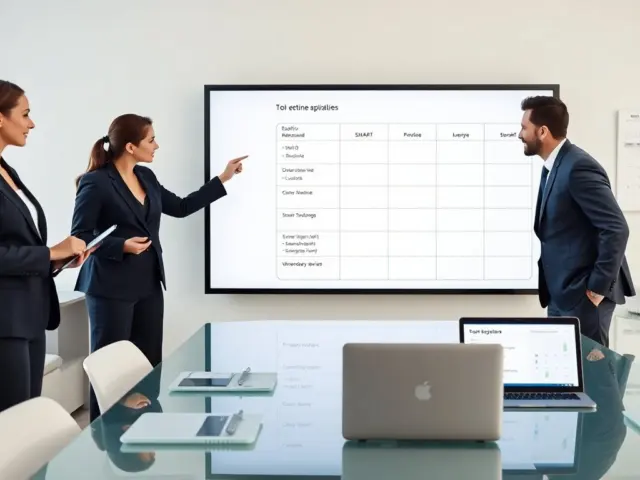
Career goals: career apps focus on milestones and deliverables. The best apps for goal setting for career goals let users set SMART-style goals, attach files, and share progress with teams. They integrate with calendars and email, send deadline alerts, and let users mark milestones as done so stakeholders know status at a glance.
For career work, prioritize apps with collaboration features: comments on tasks, versioned attachments, and role assignments. Also check for integrations with your calendar, task manager, or communication tools so goal updates don’t become another siloed workflow.
Fitness goals: fitness apps combine tracking and measurement. The best apps for goal setting for fitness let users log workouts, measure progress, and sync with wearables. They provide weekly summaries and let users set tiered targets. They show trends for weight, reps, and runs so you can judge if training load or nutrition changes are moving the needle.
When choosing a fitness-capable app, confirm it supports the metrics you care about (distance, pace, sets, calories) and allows manual corrections. The ability to compare similar time periods (this month vs last month) helps you spot meaningful trends rather than day-to-day noise.
Cross-type apps: some apps work for many goal types. The best apps for goal setting for mixed use let users create projects, assign deadlines, and add recurring tasks. They offer templates for personal projects, habit formation, career milestones, and fitness plans. They sync across phone and web and keep data organized by goal, so you can switch between a habit checklist and a project timeline without a separate tool for each domain.
Consider mixed-use apps if you prefer a single source of truth and are willing to trade some specialized fitness or habit features for consolidated tracking and fewer logins.
Example picks: one app favors simple task-based goals and habit tracking; another favors visual planning and calendar sync; a third focuses on deep analytics and team sharing. The best apps for goal setting present clear differences so users can choose the app that suits their aims. Use short trials to confirm daily use matches the features that matter most to you.
Use Apps Effectively: Setup, Tracking, And Staying Accountable
Set a single clear goal first. The best apps for goal setting work when users start with one goal. Users should name the goal, set a deadline, and add three milestones. A concise goal statement and measurable success criteria (e.g., “Complete X by date Y”) give the app something concrete to track.
Break goals into tasks. The best apps for goal setting let users add daily and weekly tasks. Users should link tasks to milestones and assign due dates. Keep task lists intentionally short—three to five items per day—to reduce decision fatigue and increase completion rates.
Choose tracking rules. The best apps for goal setting offer daily check-ins or weekly reviews. Users should pick one tracking rhythm and stick to it: either log a completion every day or perform a focused weekly review. Consistent rules make trends and streaks meaningful, and make it easier to interpret slowdowns or bursts of progress.
Use reminders and limits. The best apps for goal setting send reminders and block notifications at set times. Users should set one reminder per task and avoid constant pings. Limit planning time: spend a small fixed amount (for example, ten minutes) planning each week so planning doesn’t become another form of procrastination.
Add accountability. The best apps for goal setting let users share progress with a partner or group. Users should schedule a weekly check-in with an accountability partner. Use shared goal pages or simple status updates inside the app so partners can leave comments or nudges without interrupting your flow.
Review progress weekly. The best apps for goal setting include a weekly summary view. Users should inspect wins, misses, and patterns, noting where tasks consistently slip. Use that review to adjust task size, timing, or frequency rather than to reset motivation after a miss.
Handle setbacks with rules. The best apps for goal setting let users mark a pause or repeat a milestone. Users should avoid guilt and set clear next steps after a miss. Create a simple recovery rule—such as “if I miss two days, I will reduce the next week’s targets by 30%”—so you have a plan instead of a blame cycle.
Use data for decisions. The best apps for goal setting export logs and show trends. Users should use trend data (e.g., completion rate over 30 days) to change targets or cadence. Track both outcomes and inputs: for example, log workouts (input) and weekly running distance (outcome) so you can correlate effort and results.
Automate small steps. The best apps for goal setting connect to calendars, habit trackers, and fitness wearables. Users should enable sync to reduce manual entry—for instance, connect a calendar for scheduled work blocks or a wearable for steps—but keep automation minimal so you remain engaged with the work the automation supports.
Start small and iterate. The single most consistent improvement users see with goal apps is modest, sustained change: pick one habit or milestone, run it for six weeks, then add another. The best apps for goal setting are tools to support habits and decisions; choose one, use it consistently, and refine your setup as you learn what helps you keep moving forward.