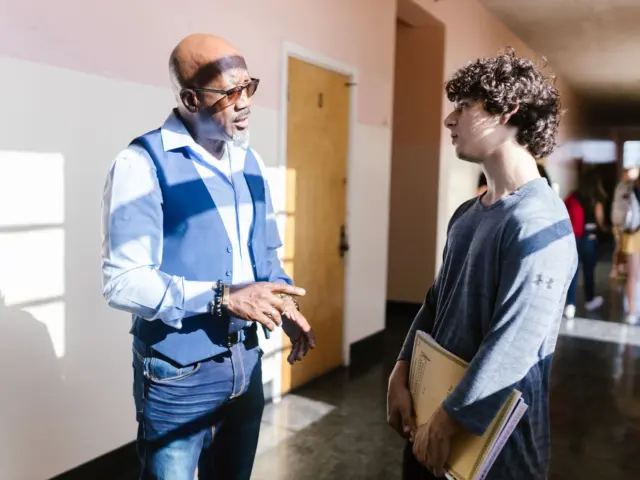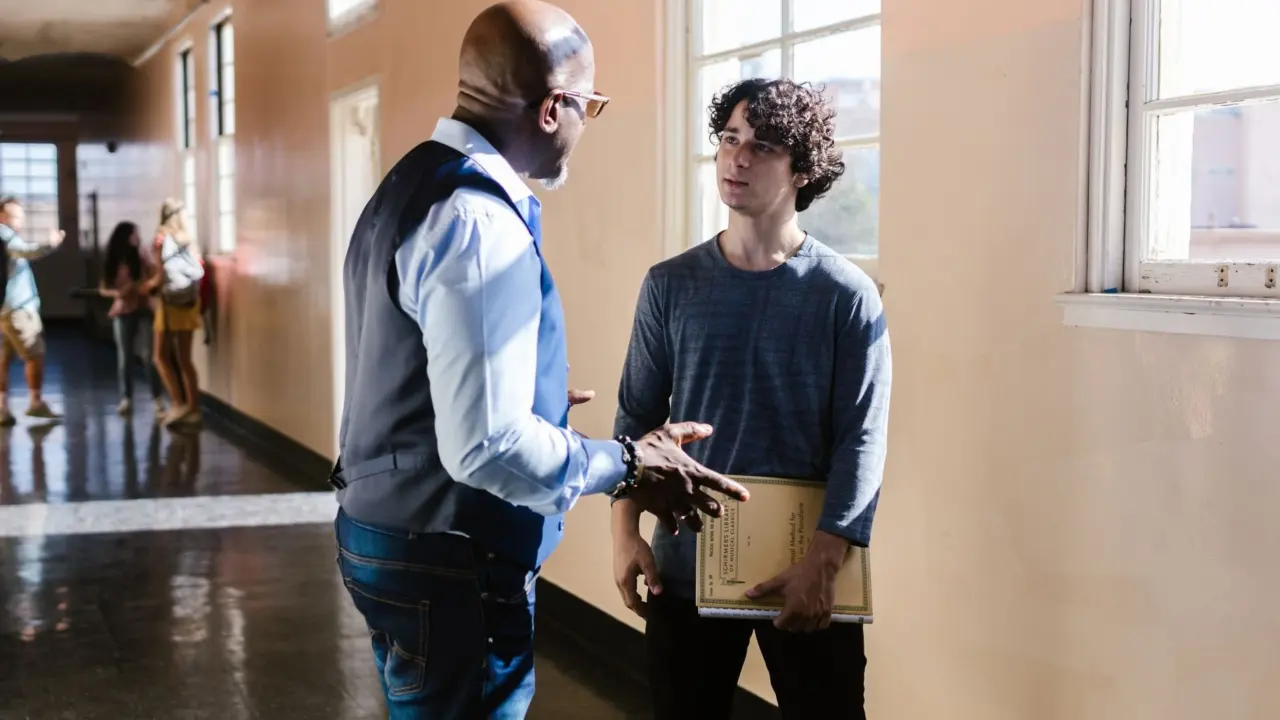
Quick answer: What does a principal do? A principal leads the whole school building: setting a vision for teaching and learning, supervising staff, managing discipline, safety and budget, and building culture. Day to day, the job shifts between people and paperwork.
The role is easiest to judge by its tasks rather than its title. For the wider picture of how school leaders work, see our guide on what does a school principal do. This page breaks the job into the routines, recurring duties and judgement calls an aspiring leader would actually face.
Core responsibilities at a glance
Youngstown State University’s educational administration programme describes school principals as the chief executive officers of their school buildings. EdWeek makes a similar point, noting that principals manage what are essentially small companies. That comparison explains why the duties spread across teaching, people, money and safety.
When you read the table below, ask two questions. Which areas involve working with people, and which involve systems and compliance? And which would you want to spend most of your time on? The answer shows where you would need to build skills first.
| Area of work | What it involves | Planning use |
|---|---|---|
| Instructional leadership | Setting a schoolwide vision for teaching and learning; making classroom visits; analysing data with teachers; facilitating professional learning communities | Build skills in coaching conversations and reading data before you apply |
| Staff management | Making decisions about hiring and evaluating school staff | Prepare for difficult feedback conversations as well as recruitment |
| Student discipline | Enforcing consistent school-wide policies and reviewing teacher referrals | Learn your district’s behaviour policies; consistency is the stated standard |
| Operations and safety | Establishing and coordinating safety procedures, security and emergency drills; making rounds to check cleanliness and safety | Expect hands-on, practical duties, not only strategy |
| Budget and compliance | Managing the budget, allocating funds for supplies, overseeing expenditures, and ensuring compliance with state and federal regulations | Take finance and policy training seriously, because these duties are unavoidable |
| Families | Meeting with parents to discuss student progress, behaviour and concerns | Practise calm, clear communication under pressure |
These duties are drawn from the Youngstown State University overview and the EdWeek explainer.
A principal’s day, task by task
A principal’s day has a recognisable shape, even though emergencies and interruptions reshape it. The tasks below follow that order: arrival routines, in-school work, then the behind-the-scenes duties that fill the gaps.
Before the bell
A day in the life of a principal typically begins early, before other staff and students arrive. The early hours are for practical checks:
- Building rounds: making rounds to check for cleanliness and safety, so problems are caught before students walk in.
- Duty coverage: ensuring staff are in place for bus or car duty, which keeps arrival orderly.
- Greeting students: standing at the entrance as they come in. Emporia State University’s educational administration programme points to greeting students as they enter the building each day as a simple way principals shape culture.
During the school day
Once classes start, the work becomes responsive. Discipline is a standing task: principals manage day-to-day student discipline by enforcing consistent school-wide policies and reviewing teacher referrals. Parent meetings about progress, behaviour and concerns also fit into the day, and so do staffing decisions.
Classroom visits compete with all of this. EdWeek notes that daily classroom visits alone can take up a large chunk of the day. A principal who wants to be visible in classrooms therefore has to protect that time deliberately, because interruptions will not wait.
Behind-the-scenes work
Some duties show up on the calendar rather than in the daily routine. Budget oversight, compliance with state and federal regulations, curriculum standards and the coordination of emergency drills belong here. Improvement work does too: principals analyse academic performance data, gather feedback from stakeholders and use it to identify areas of improvement, according to Education Service Center. That cycle of analysing data, gathering feedback and naming priorities is the practical work behind a school improvement plan.
Instructional leadership versus management
EdWeek’s explainer calls principals instructional leaders, setting a schoolwide vision for teaching and learning. Management, meanwhile, covers the operational duties above. No supplied study gives a fixed split between the two, so treat the balance as a daily decision rather than a number to hit.
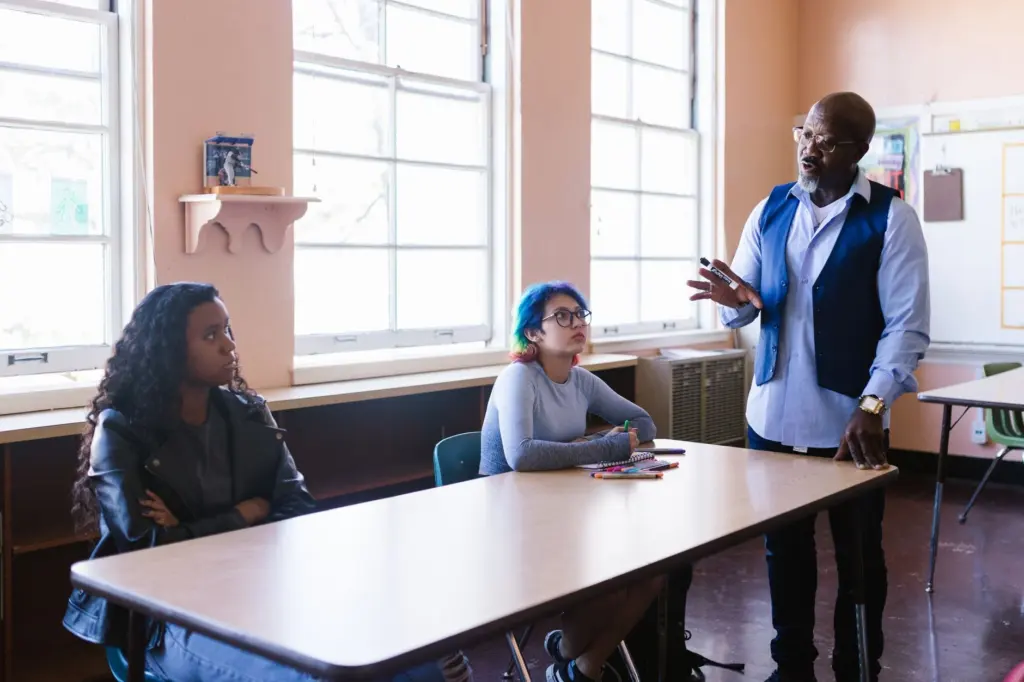
What the evidence does support is a protective habit. Youngstown State describes principals as effective when they set a shared vision and protect instructional coaching time from non-instructional tasks. In practice, that means treating coaching and classroom time as fixed appointments and fitting paperwork around them, not the reverse.
Instructional leadership also takes a collaborative form. Principals analyse multiple data points together with teachers and facilitate collaboration through professional learning communities (PLCs). If you want a closer look at how classroom visits work, our classroom walkthrough checklist for principals covers the observation side in detail.
School culture and community
Culture is built through repeated, visible behaviour. Emporia State’s programme says principals set the tone for the entire school by modeling their educational philosophy daily. It also notes that successful principals do not limit their focus to facilities and test scores, which points to relationships with students as part of the job.
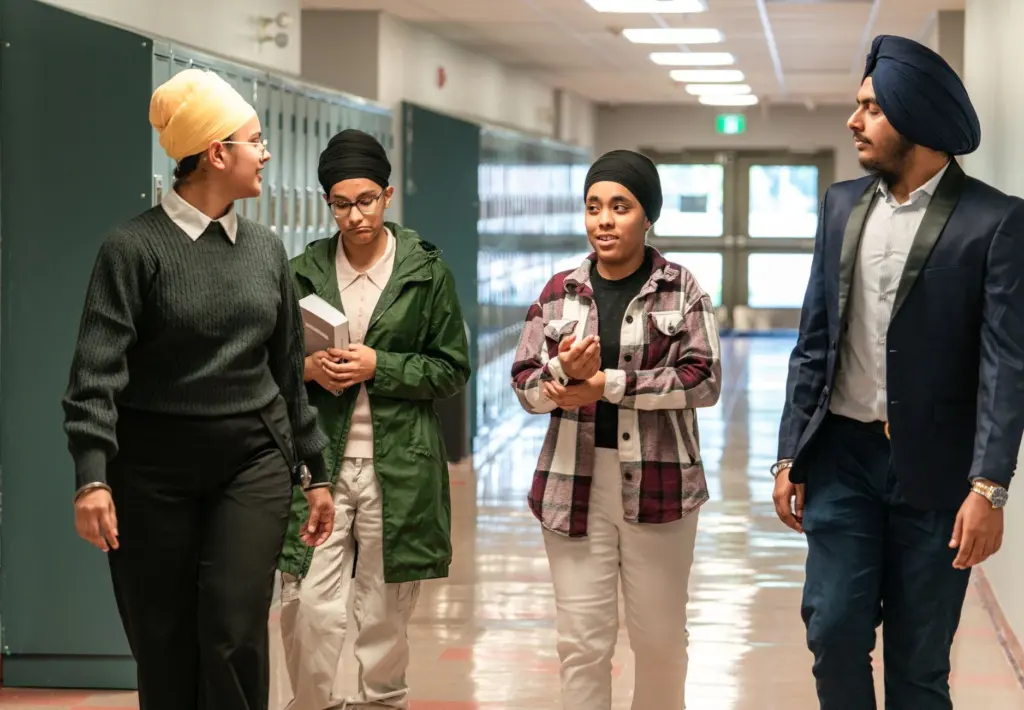
For an aspiring principal, the practical lesson is that small routines count. Greeting students, being present in hallways and acting consistently with the values you state all feed culture. A new principal who is rarely seen outside the office loses that opportunity, however strong the plans on paper.
What makes a principal effective
The supplied evidence points to a few consistent habits rather than a single trait:
- A shared vision: principals are described as effective when they set a vision that staff share, not only one they announce.
- Protected coaching time: instructional work is shielded from non-instructional tasks so it does not get crowded out.
- Collaboration over solo analysis: data is examined with teachers, and PLCs give that collaboration a structure.
- Daily modelling: the principal acts out the school’s educational philosophy every day, not just in meetings.
- Attention to relationships: the focus extends beyond facilities and test scores to the people in the building.
These are descriptions from university programmes and an education-news explainer, not measured outcomes, so use them as a self-assessment checklist rather than a guarantee of results.
When the job gets crowded
Most problems in the role come from competing demands. Two common ones have direct, supported responses.
- Coaching time keeps disappearing. Discipline referrals, parent meetings and compliance tasks can fill the day. Block coaching and classroom visits first, as Youngstown State’s description of effective principals suggests, and let routine tasks fill the remainder.
- Your authority looks different from a colleague’s. Influence over school decisions varies from district to district, according to EdWeek. When you read a job posting or interview, ask how decisions are shared with district leaders such as the superintendent.
Is this the right job for you?
The job suits people who like both people-facing and systems work. If you most enjoy coaching teachers and talking about learning, expect to pair that with budgets, regulations and drills. If you prefer operations, expect to spend real time in classrooms and with staff. Neither extreme describes the role, so aim to build skills across the table’s areas before you apply.
Frequently asked questions
How much say does a principal have over curriculum?
It depends on the district. EdWeek reports that how much influence principals have over school decisions varies from district to district. Principals are generally responsible for implementing curriculum standards and ensuring compliance.
Who speaks for the school in an emergency?
The principal acts as the main point of contact for media, district officials and families during emergencies, according to Youngstown State University. Coordinating safety procedures and emergency drills beforehand supports that role.
Is the “chief executive” label fair?
Partly. Principals do manage staffing, budgets and operations like a small organisation. But the same sources stress instructional leadership, so the role is as much about teaching and learning as running the building.
Do principals work with people outside the school?
Yes. Education Service Center notes that principals collaborate with community organisations, local businesses and government agencies, as well as enforcing district and school policies and ensuring student safety.