Classroom behavior management must start with clear expectations. The teacher states rules and routines on day one. The teacher models desired actions and praises correct behavior. The class practices routines until actions become habit. The strategy reduces interruptions and increases learning time. This guide lists seven practical strategies for classroom behavior management that staff can apply immediately.
Key Takeaways
- Clear expectations and daily routines in classroom behavior management reduce confusion and increase learning time.
- Building positive relationships and teaching social-emotional skills strengthen classroom climate and student cooperation.
- Optimizing classroom layout and visuals helps prevent distractions and supports smooth instructional flow.
- Implementing tiered interventions and consistent consequences ensures fair and effective behavior management for all students.
Establish Clear Expectations And Daily Routines
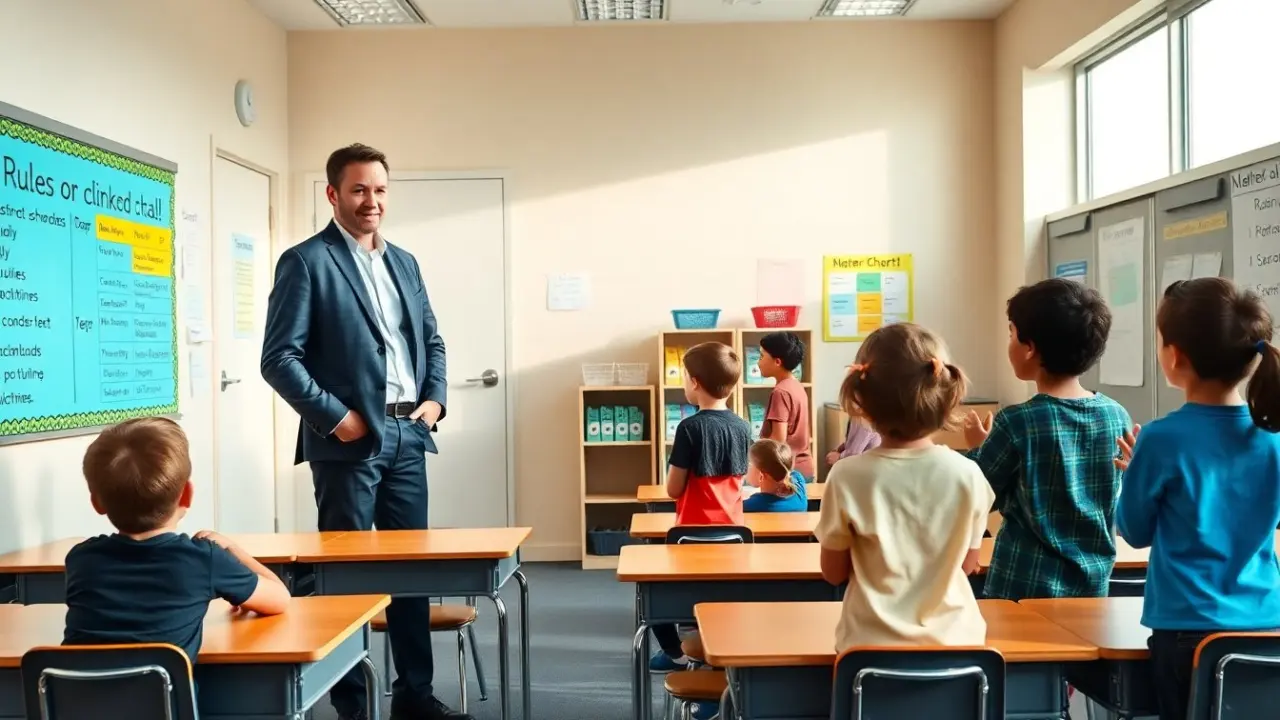
Post three to five positively stated rules where every student can see them (for example: “Be ready to learn,” “Respect others,” “Use voices at the right level”). Teach each rule with specific, observable behaviors so expectations are concrete rather than vague. On day one and repeatedly for the first weeks, model each routine step-by-step: demonstrate arrival procedures, how to transition between activities, how to request help, and how to pack up. Use short rehearsal sessions where students practice procedures while the teacher gives immediate feedback and corrective reteaching.
Make routines predictable by using a visible daily schedule and consistent signals (for example, a chime, hand signal, or short countdown) to indicate transitions. Give specific, labeled praise (e.g., “Maria lined up quietly and grabbed her materials—great independence!”) to reinforce what you want to see. Track routine errors with a checklist or quick tally so you can reteach the exact step that causes confusion. Build brief, regular review into the day (two-minute refreshers after recess or before tests) so expectations remain salient, which strengthens classroom behavior management over time.
Build Positive Relationships And Teach Social-Emotional Skills
Start each day with relationship-building practices: greet students by name at the door, notice small wins, and use short one-on-one check-ins for students who need extra support. Learn and reference student interests in lessons and classroom chores to increase engagement and a sense of belonging. Build predictable opportunities for students to practice cooperation, such as paired-share routines, group roles, or cooperative games that require turn-taking and problem-solving.
Integrate brief social-emotional lessons (5–15 minutes weekly) that teach skills like self-regulation, emotion recognition, conflict-resolution scripts, and perspective taking. Use role-play and simple scripts students can use when conflicts arise (for example: “I felt upset when ___ because ___. Can we ___?”). Teach calming strategies—deep breaths, counting, or a short movement break—and practice them regularly so students can use them independently. For students who struggle, schedule quick check-ins, create behavioral goals with tangible rewards, and involve families in consistent messaging. These practices reduce escalation, increase cooperation, and make classroom behavior management more proactive.
Optimize Classroom Layout, Visuals, And Instructional Flow
Arrange furniture to maximize sightlines so the teacher can monitor student engagement easily and students can see teaching areas without turning frequently. Create flexible seating arrangements that can be reconfigured quickly to match the lesson: whole-group carpet, small-group tables, and individual work spots. Keep high-traffic pathways clear and place frequently used materials within easy reach to reduce off-task transitions.
Use visuals to reduce verbal directions and increase independence: post step-by-step anchor charts for common tasks, a visual schedule for the day, job charts, and a clear classroom signal system. Incorporate timers and visual countdowns to make expectations about time explicit. Design lessons with varied instructional flow—brief direct instruction, active practice, and independent application—to maintain engagement and prevent drift into off-task behavior. Small environmental checks (adjusting lighting, reducing clutter, or adding soft acoustic materials) can cut auditory and visual distractions and support stronger classroom behavior management.
Implement Tiered Interventions And Consistent Consequences
Adopt a tiered approach: universal strategies for all students, targeted supports for students who need occasional help, and intensive individualized plans for persistent challenges. For universal supports, maintain predictable routines, clear rules, consistent praise, and efficient lesson pacing. For targeted supports, use small-group skill instruction, brief check-ins, behavior contracts with simple goals, and increased adult proximity during critical tasks. For intensive needs, develop individualized behavior plans with measurable goals, data collection, and collaboration with specialists and families.
Define and communicate a consistent, fair consequences system that aligns with school policy and focuses on teaching replacement behaviors rather than punitive removal. Use a simple documentation method to record incidents and identify patterns—this helps distinguish transient issues from those requiring targeted supports. Pair consequences with repair steps (apologies, restitution, or guided problem solving) and follow up with reinforcement for improved behavior. Regularly review intervention effectiveness and adjust supports based on observed data to keep classroom behavior management equitable and results-focused.