Classroom management ideas for elementary appear first in this introduction to set focus. Teachers need clear plans to keep students safe, focused, and curious. This article lists practical, tested strategies teachers can use day one. It shows simple steps, examples, and small tools that reduce disruptions. Readers will get ready-to-use tactics that work with diverse groups and limited prep.
Key Takeaways
- Classroom management ideas for elementary start with establishing clear routines, simple rules, and visual aids to guide student behavior effectively.
- Using positive reinforcement, such as specific praise and token systems, motivates students and encourages consistent good behavior.
- Designing the classroom layout with clear sightlines and dedicated zones minimizes distractions and supports various learning activities.
- Practicing smooth transitions with cues and clear instructions saves time and keeps students focused throughout the day.
- Proactive teacher moves, like circulating quietly and giving private reminders, help maintain control without disrupting the class environment.
- Regular reflection and adjustment of routines and room setup improve classroom flow and student engagement over time.
Establish Clear Routines, Rules, And Visual Expectations
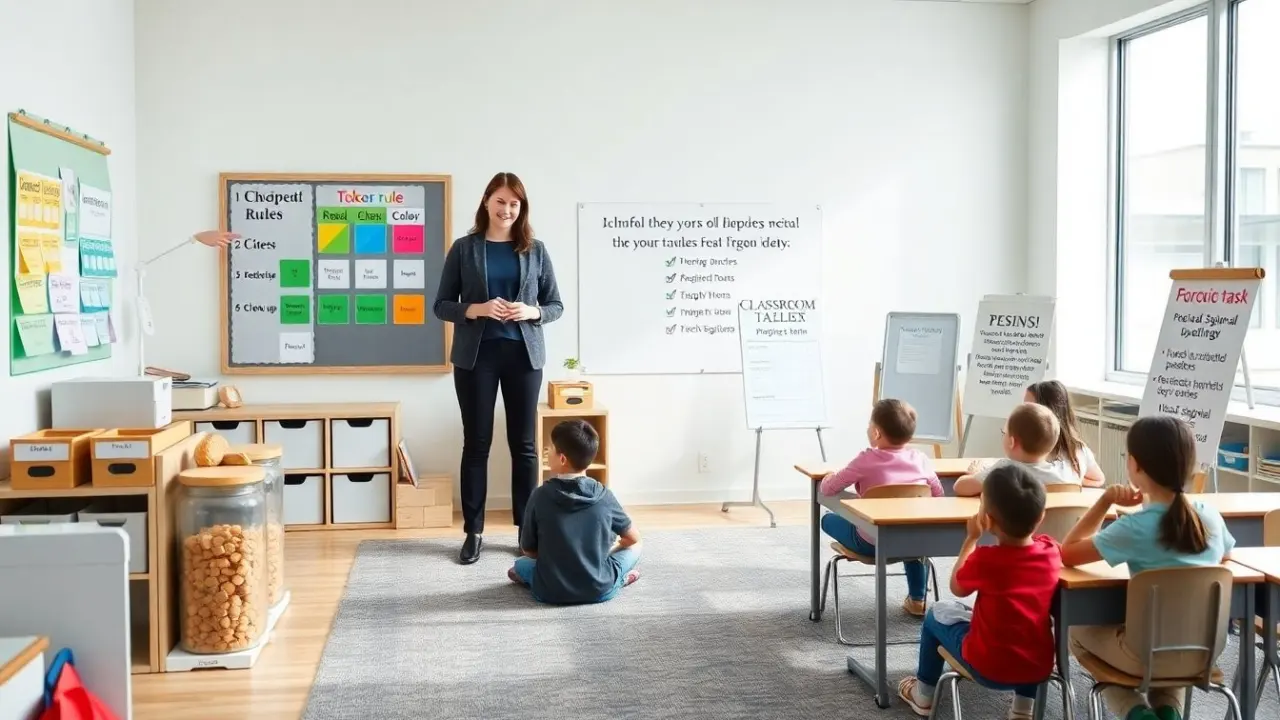
Teachers start routines the first day. Classroom management ideas for elementary work best when routines repeat. Teachers post three to five rules in plain language. They display the rules at student eye level. They describe expected behaviors with a short sentence and an icon. They teach each routine with a short model, a student try, and a quick check.
Teachers make visual schedules that show the day in blocks. Students read the schedule each morning. Teachers use color cues for transitions, such as green for independent work and red for clean-up. Teachers label key areas with pictures and short labels so students know where materials belong. Clear visuals cut down on questions and wandering.
Teachers practice common transitions for five minutes daily. They time the practice and give feedback. They use a consistent cue: a clapped rhythm, a short song, or a hand signal. Students learn the cue and move more quickly. Teachers set and teach expectations for group work, carpet time, and lining up. They check understanding with thumbs up or a brief exit task.
Teachers build classroom jobs into routines. Jobs run on a weekly rotation. Students learn responsibility and feel ownership. Teachers keep routines simple and repeat them until they stick. Schools that adopt the same basic language help students transfer skills between classes.
Use Positive Reinforcement And Motivation Systems
Teachers use positive reinforcement to shape behavior. Classroom management ideas for elementary include specific praise that names the action. Teachers say, “Maria raised her hand before speaking,” rather than generic praise. Specific praise links behavior to outcome and repeats useful actions.
Teachers set up simple token systems. Students earn tokens for meeting clear expectations. Teachers trade tokens for short, predictable rewards like extra reading time or a helper role. Teachers keep token rules public and consistent. They choose rewards that matter to students and cost little teacher time.
Teachers use class charts to track group goals. Students see progress and help peers succeed. Teachers celebrate small wins with brief ceremonies or a chosen song. Teachers avoid overusing rewards. They shift praise gradually from external rewards to intrinsic motivators, such as pride and choice.
Teachers teach self-monitoring to older elementary students. Students use a checklist or a color card to record their focus. Teachers confer briefly with students who struggle. They set one clear, measurable goal per week. Teachers involve families with quick notes that celebrate progress. Families and teachers then reinforce positive patterns at home and school.
Teachers vary reinforcement to stay effective. They mix verbal praise, tokens, privileges, and responsibilities. They measure results and drop what does not help. When students see consistent, fair reinforcement, they follow expected behaviors more often.
Design Preventive Classroom Layouts, Smooth Transitions, And Teacher Moves
Teachers arrange rooms to reduce off-task behavior. Classroom management ideas for elementary include clear sightlines so teachers see most students. Teachers place high-use materials within easy reach. They create work zones for quiet tasks, group work, and teacher-led instruction. Zones reduce noise and confusion.
Teachers design seating that matches tasks. They use pairs for partner work and clusters for projects. They use rows for independent tests. Teachers label seats for routines like read-aloud or math stations. Labels speed transitions and cut arguments.
Teachers plan transitions with exact steps. They tell students the next activity, the time allowed, and the outcome to show. Teachers count down when time ends and use a short rehearsed phrase to signal readiness. These simple moves reduce delays and lost minutes.
Teachers use proactive teacher moves. They circulate with a purpose, speak quietly to redirect behavior, and stand near groups that need support. Teachers give brief, private reminders rather than public corrections. They use planned pauses to regain attention: a breath, a hand signal, or a short silent count.
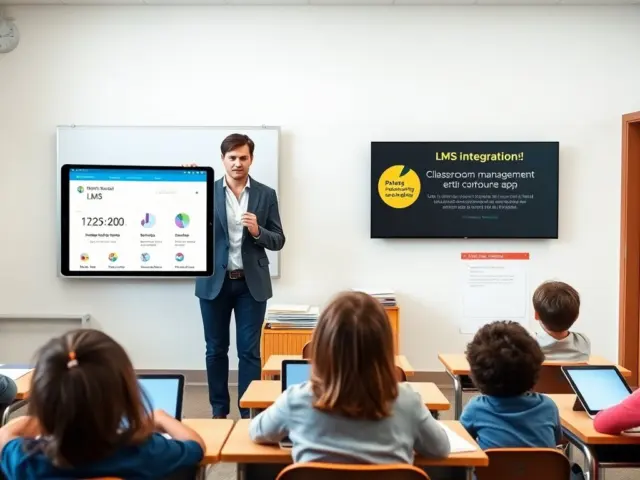
Teachers maintain predictable routines for materials and tech. They store devices in one place and assign a launch routine. They post quick troubleshooting steps for common problems. Teachers reflect weekly and adjust layouts and moves based on student flow. Small changes often yield large gains in focus and time on task.