Student engagement strategies shape how classroom time is used and determine learning results. Well-designed strategies raise attention, build academic and social skills, and keep students active participants in their learning. This article outlines practical student engagement strategies teachers can apply now, with concrete steps, classroom examples, and the rationale that explains why each approach works. Guidance here is intended to fit typical schedules and supports adapting practice for diverse learners, from quick warm-ups to longer project cycles.
Key Takeaways
- Effective student engagement strategies boost attention and improve academic and social outcomes for diverse learners.
- Planning active, student-centered lessons with clear goals and choices increases participation and quality of work.
- Integrating technology thoughtfully enhances engagement without distracting from learning objectives.
- Frequent, low-stakes assessments paired with quick, clear feedback sustain motivation and support continuous growth.
- Adapting engagement strategies for diverse and inclusive classrooms ensures accessibility while maintaining high expectations.
Why Student Engagement Matters (Academic, Social, And Long-Term Benefits)
Student engagement strategies directly affect how much students learn in a given lesson and how likely they are to apply those skills later. Academically, engaged students spend more time on-task, attempt more challenging problems, and retain content better because they actively process information rather than passively receive it. Socially, engagement structures that include collaboration and discussion build communication, negotiation, and perspective-taking skills. Over the long term, sustained engagement contributes to persistence, stronger study habits, and clearer postsecondary pathways because students form identities as capable learners.
Beyond individual gains, classrooms that prioritize engagement experience fewer discipline disruptions and stronger classroom climate: routines and purposeful interactions reduce downtime and off-task behavior. For teachers, tracking engagement (for example, through quick check-ins or participation logs) provides early signals about where instruction is working and where students need scaffolding. Framing engagement as both an instructional goal and an observable outcome helps align planning, assessment, and professional conversations about improvement.
Designing Active, Student-Centered Lessons That Promote Participation
Designing lessons around active tasks means students are doing meaningful cognitive work throughout class time. Start with a clear learning objective written in student-friendly language and plan one or two observable tasks that will show whether students meet that objective. Use a mix of brief whole-class prompts, partner talk, and short independent practice to maintain momentum. Typical moves include think-pair-share, three-level reading guides, problem-solving stations, and jigsaw activities where each student becomes an expert on a subtopic.
Practical steps: (1) Chunk lessons into 5–15 minute work cycles with quick checks between cycles; (2) Model one exemplar or a partial solution before students begin; (3) Give students role cards for group work (recorder, reporter, questioner) and rotate roles regularly so everyone has speaking and leadership opportunities; (4) Offer choice within a scaffolded menu (e.g., choice of topics, final product formats, or complexity levels) to increase ownership. Use prompts that require evidence and reasoning—ask students to show their thinking, cite text or data, and explain why an answer fits the criteria. These design decisions make engagement more equitable and results more visible for diagnostic follow-up.
Using Technology To Amplify Engagement Without Distracting Learning
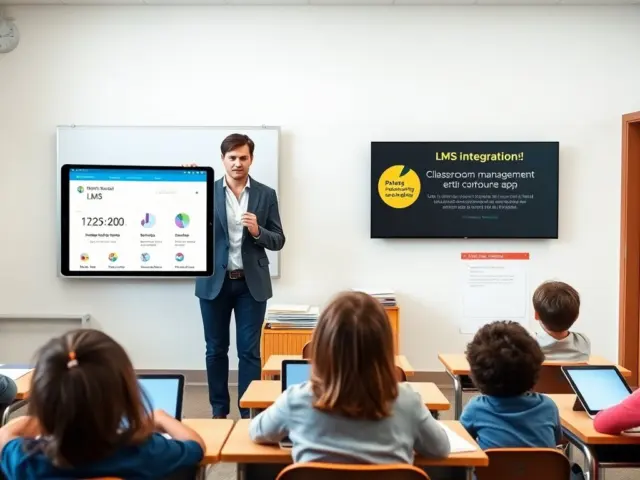
Technology can amplify student engagement when it is chosen and managed with a clear instructional purpose. Select tools that support the learning target—such as polling platforms for quick checks, shared documents for collaborative drafting, or simulation apps that let students test hypotheses—and plan how the tech will be used during the lesson. Avoid introducing new tools mid-lesson unless the time is explicitly reserved for tech onboarding.
Classroom routines that reduce distraction include setting explicit norms for device use, using focused time windows for online tasks, and employing platform features that limit off-task navigation (for example, guided view modes or single-tab activities). Use tech to provide immediate, actionable feedback: automated quizzes for quick formative data, comment tools on student drafts, or peer review workflows where students leave timestamped feedback. Blend screen-based activities with hands-on or discussion work so digital interaction complements rather than replaces human interaction. Finally, plan contingency steps if a tool fails—have a non-digital version of the task ready so learning continues uninterrupted.
Assessment And Feedback Practices That Sustain Motivation
Assessment and feedback are most effective for engagement when they are frequent, low-stakes, and directly connected to next steps. Use short formative checks—exit tickets, two-minute summaries, concept maps, or quick quizzes—to gather evidence about student understanding without high pressure. Share results quickly and focus feedback on one or two specific improvement targets rather than long lists of errors.
Teach students to use simple rubrics and success criteria so they can self-assess and set personal goals. Peer feedback routines work well when teachers train students on how to give specific, kind, and actionable comments and when protocols keep feedback focused on evidence and improvements. Make progress visible—use charts, trackers, or digital badges to show growth over time—and celebrate incremental mastery to sustain motivation. When feedback is tied to revision cycles (students act on feedback and submit a revised product), assessment becomes part of learning rather than only a judgment at the end.
Adapting Strategies For Diverse Learners And Inclusive Classrooms
Effective student engagement strategies are adaptable so all learners can participate meaningfully. Differentiate by product, process, and support: offer tiered prompts that ask for varying depths of response, provide scaffolds such as sentence starters or graphic organizers, and allow multiple modes of expression (written, oral, visual, or multimedia). Pre-teach vocabulary or concepts for students who need language support and use visuals, anchors, and gesture to make key ideas accessible.
Create inclusive routines that build peer support—structured partners, cooperative groups with clear interdependence, and reciprocal teaching roles—so students with diverse needs benefit from social interaction and scaffolding. Monitor access by using quick checks (thumbs, digital signals, short exit items) and adjust pacing or grouping when clusters of students show the same struggle. Maintain high expectations by offering appropriately challenging options and by regularly celebrating progress. These adaptations ensure student engagement strategies work across ability levels while honoring individual strengths and needs.