What is classroom management and why does it matter for teachers? The concept guides how teachers set rules, run routines, and shape student behavior. This article defines classroom management and gives clear strategies teachers can use. It explains practical steps, research-based models, and daily routines that support learning and reduce disruptions.
Key Takeaways
- Classroom management defines how teachers establish rules, routines, and student behavior to create a focused learning environment.
- Effective classroom management increases instructional time, reduces disruptions, and enhances student engagement and academic outcomes.
- Clear expectations, predictable routines, and respectful relationships form the core principles for successful classroom management.
- Teachers build a positive classroom culture by recognizing student strengths, using restorative language, and encouraging student voice and cooperation.
- Common classroom management models include positive behavior support, assertive discipline, restorative practices, and culturally responsive approaches, often blended to fit specific classrooms.
- Practical strategies like explicit procedures, timely feedback, and proactive behavior prevention support smooth daily classroom operation and challenge response.
Why Classroom Management Matters For Learning And Behavior
Classroom management affects student learning and classroom tone. It creates a safe environment where students focus and participate. Strong classroom management reduces off-task behavior and increases instructional time. Teachers who apply consistent systems see higher student engagement and better academic outcomes. Administrators who support classroom management report fewer discipline referrals. Classroom management also guides how students learn social skills and responsibility. Teachers can measure its impact with attendance, grades, and behavior data. Schools can train staff to improve classroom management and create shared expectations.
Core Principles Of Effective Classroom Management
Effective classroom management rests on clear expectations, predictable routines, and respectful relationships. It uses consistent procedures so students know what to do. It applies fair consequences and timely feedback to shape behavior. It balances teacher authority with student autonomy. It uses data to refine rules and routines. Teachers who plan instruction and procedures reduce downtime and confusion. It also emphasizes prevention over punishment. Overall, the principles aim to create conditions where instruction proceeds with minimal interruption.
Establishing Clear Expectations And Routines
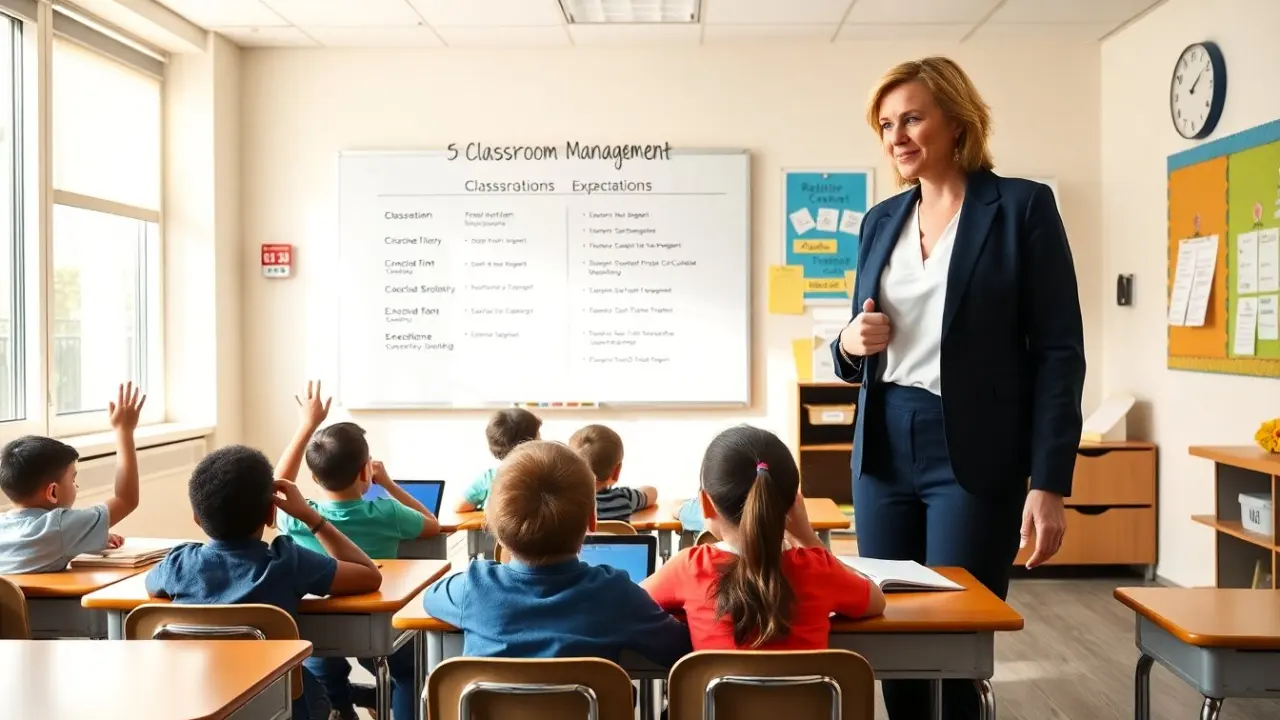
Teachers state expectations in simple language and practice them with students. They post rules and model procedures for common tasks. They teach routines for entry, transitions, group work, and dismissal. They rehearse routines until students perform them automatically. They use prompts and visual supports for younger or diverse learners. They review expectations after breaks and adjust based on classroom data. Clear expectations make routines efficient and reduce teacher workload over time.
Building Positive Relationships And A Supportive Classroom Culture
Teachers build rapport by greeting students and using brief check-ins. They notice student strengths and give specific praise. They set goals with students and celebrate progress. They use restorative language to repair harm and keep respect high. They create opportunities for student voice and choice. They structure cooperative tasks that develop trust and responsibility. These actions build a classroom culture where students cooperate and stay engaged.
Common Classroom Management Models And Approaches
Several models guide classroom management choices. Positive behavior support breaks practices into universal, targeted, and intensive tiers. Assertive discipline emphasizes clear rules and consistent consequences. Restorative practices focus on repairing relationships after harm. Culturally responsive management integrates student backgrounds into routines and expectations. Choice-based approaches give students structured decisions that increase ownership. Teachers often blend elements from multiple models to fit their context. Administrators should support flexible use of models and provide training.
Practical Strategies For Daily Use: Procedures, Transitions, And Feedback
Teachers design procedures for every repeated task and teach them explicitly. They schedule predictable signals for attention and use timers to limit downtime. They group materials and set clear roles to speed transitions. They scaffold complex tasks into short steps and check for understanding. They use immediate, specific feedback to reinforce correct behavior and work. They apply brief corrective prompts rather than long reprimands. They use data from exit tickets and behavior logs to fine-tune procedures.
Preventing And Responding To Challenging Behavior
Teachers prevent challenging behavior with clear routines and engaging instruction. They use movement breaks and varied formats to reduce restlessness. They identify triggers and modify tasks when needed. They apply a calm cue and a brief private conversation when misbehavior occurs. They document incidents and share patterns with families and specialists. They teach replacement behaviors and provide consistent reinforcement for improved behavior. When safety is at risk, teachers follow school protocols and seek support from administrators or counselors.